
Secure Your Trip Essential Visit Ukraine Insurance Tips
Secure your journey with Visit Ukraine Insurance, the essential travel safeguard for exploring this resilient nation. Designed for modern explorers, our comprehensive coverage ensures medical emergencies, trip disruptions, and unexpected events never derail your adventure. Travel boldly, knowing you have the protection that allows you to fully experience Ukraine’s rich culture and history.
Why Coverage Matters for Travel to Ukraine
Securing comprehensive travel insurance with robust coverage for Ukraine is essential due to the active armed conflict. Standard policies often exclude war zones, leaving travelers financially vulnerable to medical emergencies, forced evacuations, or trip interruptions. Specialized plans address risks like missile strikes, landmine injuries, and political instability. Without this protection, the cost of medical repatriation or emergency transport could be devastating. Coverage for Ukraine specifically ensures that insurance providers recognize the current security situation and offer tailored support, including 24/7 assistance for crisis management. Even with caution, unpredictable events can occur, making a valid policy a non-negotiable part of travel logistics.
Q: Does standard travel insurance cover trips to Ukraine?
A: No, most standard policies exclude war zones. You need a specialist policy that explicitly includes coverage for active conflict regions.
Understanding the Conflict Zone Insurance Gap
Travel to Ukraine carries unique risks, from active conflict zones to sudden infrastructure disruptions. Comprehensive coverage is not optional; it is your financial lifeline. A robust policy must address war risk and political violence evacuation, as standard travel insurance typically excludes these scenarios. Without it, a single missile strike or border closure could leave you stranded with crippling medical bills.
Consider what adequate protection must include:
- Emergency medical evacuation from remote or contested areas.
- Coverage for trip cancellation or interruption due to escalating hostilities.
- 24/7 assistance with security alerts and safe corridor navigation.
Skimping on this can cost you everything—your health, your savings, and your safe exit.
How Standard Travel Policies Differ From War Risk Plans
Coverage matters for travel to Ukraine because active war zones and unpredictable missile threats create risks no standard policy covers. Specialized war risk insurance is non-negotiable for Ukraine travel. Without it, you face total financial loss from trip cancellation due to sudden attacks, emergency medical evacuation from conflict areas, or baggage lost during shelter evacuations. Standard policies exclude war, terrorism, and government-ordered evacuations—all real possibilities in Ukraine. Travelers must verify their policy explicitly includes:
- War zone medical evacuation (helicopter or armored ambulance)
- Coverage for border crossing disruptions during attacks
- Cash repatriation if banks close due to strikes
In a country where air raid sirens are daily, generic protection is worthless. Demand specific, written confirmation of war-related benefits before departure.
Legal Requirements for Foreigners Entering the Country
When traveling to Ukraine, comprehensive coverage matters due to active hostilities and the risk of missile strikes. Standard travel insurance often excludes war zones, so a policy specifically covering conflict-related incidents, medical evacuation, and trip cancellation is essential. War risk travel insurance for Ukraine typically includes emergency medical treatment, personal accident cover, and compensation for lost luggage or flight disruptions. Travelers should verify policy details, as many insurers require registration with authorities or limit coverage to certain regions. Without proper coverage, a medical emergency could result in significant out-of-pocket expenses. Key factors to confirm include maximum payout limits, 24/7 assistance availability, and whether air ambulance transport is included. Always read the exclusions list carefully before purchasing.
Types of Protection Plans Available for Travelers
Travelers today can choose from several robust protection plans tailored to their journey. The most comprehensive option is a **Cancel for Any Reason** policy, which offers maximum flexibility by refunding a significant portion of non-refundable trip costs. For standard coverage, a primary medical and evacuation plan is essential, covering hospital stays and emergency transport. Additionally, baggage protection reimburses you for lost or delayed luggage, while trip interruption insurance compensates for unexpected events like family emergencies. For frequent adventurers, an annual multi-trip plan provides continuous, cost-effective coverage. To ensure peace of mind, always verify that your chosen policy includes robust emergency assistance services and medical repatriation benefits. These options transform unpredictable travel risks into manageable, secure experiences.
Comprehensive Medical Evacuation and Repatriation Options
As Maria packed her bags for Thailand, she realized her journey needed more than just a passport. Travel insurance plans come in three main varieties. Comprehensive travel insurance covers trip cancellations, medical emergencies, and lost luggage—perfect for Maria’s multi-stop itinerary. Then there’s medical-only coverage, a budget-friendly shield for short trips, focusing on hospital bills and evacuation. Finally, trip cancellation plans refund prepaid costs if illness or weather disrupts plans.
Maria chose a comprehensive plan after hearing her friend lose a nonrefundable flight. She slept soundly knowing her bag and health were protected.
- Comprehensive: All-in-one protection (cancellations, medical, baggage).
- Medical-Only: Emergency health and evacuation coverage.
- Cancellation-Only: Refund for nonrefundable bookings.
Q: Which plan is best for a solo backpacker?
A: Medical-only, as health risks are higher on long treks, but add cancellation if flights are expensive.
Emergency Assistance Services Tailored to Active Zones
Travel insurance typically falls into several distinct categories tailored to different traveler needs. Comprehensive travel insurance is the most popular option, covering trip cancellation, medical emergencies, lost baggage, and flight delays. For frequent flyers, annual multi-trip policies offer cost-effective, year-round coverage. Specialized plans include medical-only coverage for short domestic trips, and adventure sports insurance for high-risk activities like skiing or scuba diving. Business travelers often opt for plans that include equipment coverage and trip interruption for work-related events.
Medical evacuation coverage is critical for international travelers, as emergency transport can cost tens of thousands of dollars.
Other options include cancel-for-any-reason (CFAR) upgrades, which reimburse up to 75% of non-refundable trip costs, and rental car damage protection. Budget travelers may prefer basic trip cancellation plans, while luxury tour groups frequently require comprehensive policies with higher coverage limits. Always verify exclusions for pre-existing conditions and natural disasters.
Third-Party Liability and Property Damage Add-Ons
Travelers can choose from several types of protection plans, each tailored to different needs. Travel insurance plans often include coverage for trip cancellation, medical emergencies, lost luggage, and flight delays. For frequent adventurers, annual multi-trip policies offer broad, cost-effective protection. Others might prefer specific add-ons, like “cancel for any reason” coverage or rental car damage waivers.
Remember, reading the fine print is the best way to avoid surprises when you need to file a claim.
To help you decide, here’s a quick breakdown:
- Comprehensive plans: Cover trip cancellation, medical, and baggage.
- Medical-only plans: Focus on emergency health and evacuation.
- Flight insurance: Covers delays, cancellations, and lost checked bags.
Key Factors That Influence Premiums and Coverage Limits
Several key factors directly shape what you’ll pay for insurance and how much protection you get. Your personal risk profile—including age, location, and driving or health history—plays a huge role. For example, a young driver in a city with a sports car will see higher premiums than a suburban retiree with a safe sedan. The coverage limits you choose also depend on your assets; if you own a home, you’ll want higher liability limits to shield your savings. The type of policy and the deductible you select further affect costs—higher deductibles usually mean lower monthly premiums, but more out-of-pocket when you file a claim. Finally, insurers consider broader factors like inflation and local weather risks, which can raise rates even if nothing changes on your end. Understanding these elements helps you balance affordability with adequate protection.
Duration of Stay and Purpose of Travel
Premiums and coverage limits are fundamentally shaped by risk assessment, where insurers scrutinize factors like age, location, and claims history to price policies accurately. For auto or health plans, driving records and pre-existing conditions directly elevate costs, while property insurance hinges on the home’s age and proximity to fire stations. Underwriting data dictates every premium dollar. A young driver with a speeding ticket will face higher rates, but installing safety devices can reduce them. Coverage limits, meanwhile, depend on asset value and liability exposure; high-net-worth individuals routinely opt for umbrella policies to shield against lawsuits.
Higher risk always commands higher premiums, not the other way around.
Ultimately, regulators cap limits in some states, yet your deductible choice remains the most powerful lever to control costs.

Proximity to Active Combat or High-Risk Areas
Premium costs and coverage ceilings are shaped by a delicate balance of risk and reward. When Sarah renewed her policy, she discovered that her personal risk profile directly impacts premium pricing—insurers scrutinized her credit history, driving record, and even her home’s age. Higher deductibles shrank her monthly payments but left her vulnerable to big out-of-pocket costs. Location also played a role: living near a floodplain raised her property premium by 20 percent, while bundling auto and home insurance unlocked a 15 percent discount on both. Yet the true art lies in choosing limits that protect without crushing your budget. For coverage caps, insurers typically consider:
- Asset value (home replacement cost or car model)
- Local liability risks (e.g., pool ownership increases limits needed)
- Industry standards (health plans often cap at $1M lifetime)
Age, Pre-Existing Conditions, and Group Size
Your insurance premiums and coverage limits aren’t pulled from thin air; they’re shaped by a mix of personal and external factors. Insurance underwriting risk assessment is the core process insurers use to decide what you pay and how much they’ll cover. Key influences include your age, driving record, and credit history for auto policies, or your location, health status, and property condition for home and life insurance. For instance, living in a flood-prone area or having a history of claims can push your premiums up and shrink your coverage options. Coverage limits also hinge on the value of what you’re insuring—a newer car or a larger home demands higher limits—and state-mandated minimums, which set a floor but rarely enough for full protection.
Your risk profile directly dictates both your premium cost and the maximum payout you’re eligible for.
Ultimately, insurers balance these factors to price risk, so the safer you appear, the more affordable and generous your policy can be.
How to Evaluate and Compare International Providers
To effectively evaluate and compare international providers, begin by verifying credentials like ISO certifications and local regulatory compliance. Prioritize global service level agreements (SLAs) that guarantee uptime, data residency, and multilingual support. Analyze hidden costs through total cost of ownership (TCO), including currency exchange fees, customs duties, and repatriation charges. Assess scalability by reviewing their IT infrastructure redundancy and supply chain resilience across different continents. Crucially, audit security frameworks for compliance with GDPR, HIPAA, or local equivalents. Finally, request client references in your region to validate response times and cultural fit.
Q&A:
Q: What is the biggest red flag when vetting a provider?
A: A lack of clear, audited data sovereignty agreements for your target market, which risks legal penalties and operational disruption.
Checking for Direct Claims Handling in Eastern Europe
When sizing up international providers, start by cross-checking their global service level agreements. Look for uptime guarantees, support hours across time zones, and local data residency options—these are non-negotiable for compliance. Next, compare pricing models; watch for hidden fees like currency conversion or data egress costs. Reading real user reviews on platforms like G2 or Trustpilot gives you unfiltered insight into reliability. Finally, test their customer support: send a pre-sales question and time their reply. A fast, helpful response often signals a provider that won’t leave you stranded.
Reading Policy Exclusions for War, Terrorism, and Civil Unrest
To evaluate and compare international providers, begin by assessing their compliance with global standards like ISO certifications or GDPR, which ensures regulatory reliability. Next, analyze service level agreements (SLAs) for uptime guarantees, support response times, and penalty clauses. Compare pricing structures across regions, noting hidden fees for cross-border data transfer or currency conversion. Check client testimonials and case studies relevant to your industry to gauge localized expertise. Finally, test scalability—whether they offer flexible contracts, multi-language support, or regional data centers. Key criteria for provider selection should prioritize security, uptime history, and transparent billing. A concise comparison table for three providers might include: compliance (e.g., SOC2), SLA uptime (99.9% vs 99.5%), and average response time (1h vs 4h).
Verifying 24/7 Multilingual Hotline Support
When evaluating international providers, prioritize a rigorous audit of data sovereignty and local compliance, as global vendor risk assessment hinges on jurisdictional differences. Scrutinize their infrastructure for latency by mapping Points of Presence (PoPs) to your target markets, and demand transparent Service Level Agreements (SLAs) detailing uptime guarantees and penalty clauses.
- Security posture: Verify ISO 27001, SOC 2, or GDPR certifications relevant to your data type.
- Scalability: Assess their ability to deploy capacity across regions without performance degradation.
- Support: Confirm 24/7 multilingual visit ukraine insurance support with in-region escalation paths.
Finally, compare total cost of ownership (TCO) inclusive of egress fees, currency conversion rates, and local taxes. A provider offering robust regional redundancy and transparent pricing often outperforms cheaper alternatives in long-term operational stability.
Practical Steps Before Departure
Before departure, methodical preparation is crucial. Begin by verifying your passport’s validity extends at least six months beyond your return date and securing any necessary visas well ahead of travel. Next, photocopy all essential documents—including your passport, travel insurance, and itinerary—storing them separately from the originals and sharing digital copies with a trusted contact. When packing, prioritize essential documents and a basic medical kit while adhering to airline weight restrictions. Notify your bank of travel plans to avoid card blocks and arrange currency for the destination’s cash needs. Finally, confirm accommodation check-in times, arrange airport transfers, and double-check your flight status 24 hours prior. These actionable steps, which include travel preparation checklists, mitigate stress and ensure a smooth departure.
Documenting Pre-Trip Medical and Travel Details
Before departure, a methodical pre-travel preparation checklist ensures a seamless journey. Begin by verifying your passport’s validity—most countries require at least six months beyond your return date—and securing any necessary visas well in advance. Notify your bank and credit card companies of your travel dates to prevent fraudulent transaction blocks, and make digital copies of all critical documents, storing them securely online. Arrange for mail holding, pet care, and home security, such as setting light timers. Pack a small essentials bag in your carry-on with medications, a change of clothes, and chargers. Finally, download offline maps and translate the local emergency numbers for your destination.
Digital Copies and Emergency Contact Protocols
Before you finalize your travel plans, focus on pre-travel safety verification to avoid last-minute crises. Confirm passport validity extends six months beyond your return date and secure necessary visas. Notify your bank and credit card companies of your itinerary to prevent transaction blocks. Arrange comprehensive travel insurance covering medical evacuation and trip cancellation. Digitally backup all documents, including passport and itinerary, in a secure cloud folder. Finally, share your location and contact details with a trusted person at home.
“The most critical step is verifying your insurance includes repatriation coverage—a single medical emergency abroad can bankrupt you without it.”
- Check flight status and seat assignments 24 hours before departure.
- Download offline maps and translation apps for your destination.
- Pack a physical copy of emergency contacts and embassy details.
Registering with Your Home Embassy or Consulate
Executing a pre-departure checklist ensures a seamless journey and mitigates last-minute crises. Begin by verifying your passport’s validity (at least six months beyond your return date) and securing necessary visas, copies stored digitally and physically. Confirm travel insurance covers medical emergencies and trip cancellations, then notify your bank and credit card companies to prevent frozen accounts. Arrange home security—pause mail delivery, set timers for lights, and ask a trusted neighbor to collect packages. Pack with a capsule wardrobe approach, weighing luggage to avoid airline fees. Digitize key documents (passport, itinerary, prescriptions) in a secure cloud folder, and download offline maps for your destination.
- Double-check flight times and gate changes 24 hours prior.
- Download airline apps for real-time alerts.
Q: Should I carry physical copies of my travel insurance?
A: Absolutely—print a summary card plus the full policy PDF; phone batteries die, and Wi-Fi fails.
Common Pitfalls and Misconceptions

Many learners stumble into the same traps, especially those seeking SEO-optimized content that flows naturally. A major pitfall is ignoring prepositions, mistaking “look forward to meet” for “look forward to meeting.” Another misconception? Believing grammar apps replace real-world practice. They don’t. Overcomplicating sentences weakens clarity, while misusing “less” versus “fewer” or “which” versus “that” breaks trust with native readers. Dialect confusion also trips people up—treating “colour” as wrong in American English or “apartment” as bizarre in British English. The true danger is assuming language is rigid. English breathes through context and idiom, so fixating only on rules stifles authenticity. Embrace its messy evolution—it’s what makes your voice memorable.
Assuming Credit Card Coverage Extends to Active Conflicts
Learners often fall into traps like false cognates, where words look similar across languages but differ in meaning (e.g., “embarrassed” in English vs. “embarazada” in Spanish). Another common pitfall is overusing direct translation, which ignores idiomatic structures, such as saying “make a decision” instead of “do a decision.” Misconceptions also include believing grammar rules are absolute; for instance, splitting infinitives (“to boldly go”) is stylistically acceptable. Additionally, phrasal verbs are misunderstood as formal, while they are often informal and context-dependent. False cognates frequently lead to embarrassing errors in professional settings.
- Confusing “affect” (verb) with “effect” (noun)
- Assuming “I could care less” means the same as “I couldn’t care less”
- Overcorrecting prepositions (e.g., “different from” vs. “different than”)
Overlooking Cancellation and Interruption Clauses
Learners often assume that English grammar has rigid, universal rules, leading to overcorrection like avoiding preposition stranding or splitting infinitives, despite these being standard in fluent speech. A major pitfall is confusing “less” with “fewer” for countable nouns, but context often overrides prescriptive rules. Another misconception is that all phrasal verbs are informal, when many—like “account for” or “deal with”—are essential in academic writing. Ignoring collocations, such as “strong coffee” not “powerful coffee,” undermines natural expression. To sound native, prioritize phrasal verb combinations and idiomatic prepositions over rigid memorization. Master contextual word usage to avoid these traps and achieve genuine fluency.
Failing to Update Coverage After Itinerary Changes
When learning English, many assume fluency means knowing every single word, which is a huge pitfall. In reality, even native speakers rely on a core vocabulary. Another major misconception is that grammar perfection beats communication. Stopping mid-sentence to correct a tense actually breaks the flow more than a small mistake would. A common habit that stalls progress is translating directly from your first language, leading to unnatural phrases. To avoid this pitfall, prioritize exposure to authentic content. The importance of consistent practice cannot be overstated. A simple way to track these hurdles is:
- Ignoring collocations: Saying “make a photo” instead of “take a photo.”
- Overusing complex words: Trying to sound smart often backfires.
- Fearing mistakes: This freezes your speaking ability more than any error would.
Insights From Recent Travelers and Aid Workers
Recent accounts from travelers and aid workers paint a stark picture of resilience amid crisis. A logistic volunteer in the flood-ravaged valleys described entire communities rebuilding homes from salvaged debris, while an anthropologist hiking near the border noted villagers sharing their last grain sacks with displaced families. These firsthand reports consistently highlight humanitarian logistics challenges, where muddy roads and damaged bridges force aid drops by foot or drone. Most striking was a nurse’s story: she treated a child in a makeshift clinic under a tarp, only to learn the child’s family had lost everything twice in successive landslides. Yet, amid the hardship, a traveler recounted a spontaneous market where locals traded handmade crafts for medicine, showing how community-led recovery often moves faster than official aid. These voices remind us that survival is as much about shared dignity as it is about supplies.
Real-World Claim Experiences in Wartime Conditions
Recent reports from travelers and aid workers highlight a critical shift toward localized, community-led relief efforts. Crisis zones require adaptive, not prescriptive, approaches to humanitarian aid. Key takeaways include:
- Pre-travel coordination is non-negotiable; workers must align with local liaisons before arrival.
- Digital tools (e.g., encrypted messaging apps) now replace paper logs for real-time resource tracking.
- Psychological first aid is as vital as food distribution, with many volunteers reporting burnout within weeks.
Prioritizing self-care protocols dramatically increases a team’s long-term effectiveness. Travelers emphasize that modest, repeated actions—like repairing a single water pump—build more trust than large, one-off deliveries. The consensus: listen first, act second.
Recommended Providers Based on Field Feedback
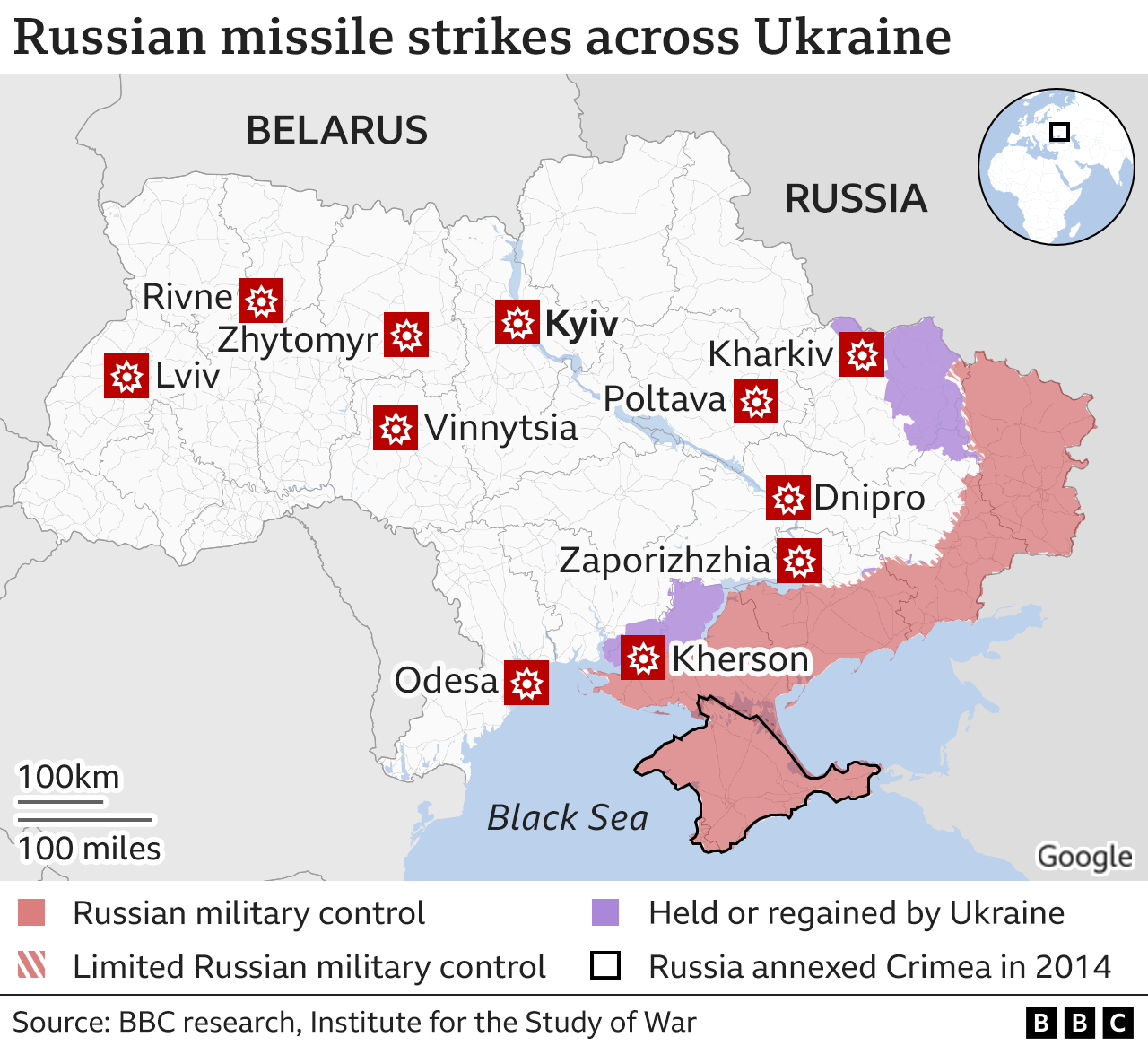
Recent reports from travelers and aid workers in conflict-affected regions highlight a critical shift in operational safety. The importance of community-led security protocols has become the foremost lesson, as local knowledge often surpasses formal risk assessments. Key insights include:
- Trusted local “fixers” are now more valuable than armored vehicle fleets.
- Digital footprints from personal phones are the primary source of accidental intelligence for hostile actors.
- Psychological first aid for team members is as vital as physical evacuation plans.
Workers stress that pre-deployment training must now cover social media hygiene and emotional resilience. True security in volatile zones is built on relationships, not reinforced steel.
Lessons Learned About Timely Communication and Proof
Recent travelers and aid workers report a dramatic shift in on-the-ground realities, challenging outdated media narratives. Firsthand accounts from crisis zones reveal that local communities are now the primary drivers of effective recovery. These sources consistently highlight three critical factors: the sophistication of local supply chains, the rapid adoption of mobile payment systems, and the declining trust in large, distant NGOs. Unlike a decade ago, responders emphasize that top-down aid often creates bottlenecks, while micro-grants to community leaders yield faster, more sustainable results. The consensus is clear: the most accurate insights come from those sleeping in the affected villages, not from headquarters reporting. This evidence should compel organizations to radically restructure from command-and-control models to genuine, empowered local partnerships.
Future Outlook for Travel Insurance in Conflict Areas
The future outlook for travel insurance in conflict areas points toward a paradigm of specialized, real-adaptive coverage. As global instability persists, insurers are leveraging AI and satellite data to craft dynamic risk assessment models that adjust premiums and policy triggers in real-time, moving beyond static blacklists. This evolution will empower travelers with explicit, verifiable coverage for specialized evacuation logistics and non-medical security risks like kidnapping or detention. Consequently, the market will reward providers who transparently integrate geopolitical data, making comprehensive conflict zone insurance a prerequisite rather than an afterthought for journalists, aid workers, and corporate travelers. The shift is inevitable: resilient travel insurance solutions will become as critical as visas for high-risk itineraries.
Emerging Policies for Post-War Reconstruction Tourism
The future outlook for travel insurance in conflict areas is poised for a strategic recalibration, not retraction. Insurers are increasingly leveraging real-time geopolitical data and AI-driven risk modeling to offer specialized, dynamic coverage. This evolution shifts away from blanket exclusions toward tiered policies that adjust premiums and benefits as threats escalate. Travel insurance for high-risk destinations will likely include mandatory real-time security alerts and embedded evacuation coordination.
- Real-time Adaptability: Policies will automatically suspend or resume coverage based on verified conflict triggers.
- Specialized Add-ons: Expect standalone “war risk” packages for journalists, NGOs, and private security personnel.
- Pre-departure Verification: Strict confirmation of travelers’ crisis management plans will become standard underwriting practice.
This market will bifurcate: standard policies will tighten exclusions for active war zones, while premium, high-deductible products will fill the gap for essential travel. The industry is not abandoning these areas; it is engineering a more sustainable, data-verified approach to covering them.
Technological Advances in Risk Mapping and Alerts
The future outlook for travel insurance in conflict areas hinges on dynamic risk assessment technologies. Insurers increasingly rely on real-time intelligence, geopolitical analytics, and machine learning to adjust premiums and policy exclusions instantaneously rather than using static maps. Specialized policies will likely emerge with explicit “conflict rider” clauses, offering limited cover for terrorism or evacuation while excluding war zones outright. Travelers should expect parametric insurance triggers, where payouts activate automatically upon verified conflict escalations, like embassy closures or airspace shutdowns. Policy limits will remain low, and medical evacuation coverage will become the core—not optional—component. Mandatory government-backed evacuation guarantees may also become standard for high-risk itineraries.
Regulatory Changes Affecting Cross-Border Insurance
The future of travel insurance in conflict zones hinges on dynamic risk assessment technology, which allows insurers to offer more precise, real-time coverage rather than blanket exclusions. Providers are developing parametric policies that automatically trigger payouts based on verified conflict events, eliminating lengthy claims processes. We are seeing a shift from “do not travel” advisories to tiered protection plans, where travellers bear manageable premiums in exchange for robust evacuation and medical security.
The market will reward insurers who embrace data-driven agility over rigid fear-based underwriting.
Key trends include:
• Geospatial monitoring for real-time policy adjustments
• Specialised kidnap & ransom (K&R) coverage
This evolution will make travel to volatile regions both insurable and practical for essential business, humanitarian, and journalistic missions.