
If you’re looking at a lender like Discover to avoid origination fees on a remodel loan, you might hit a $40,000 limit. It’s a decent amount of money. For some homeowners, that’s the difference between finally fixing a leaking roof or just staring at a dated kitchen and wishing it were modern.
Deciding how to pay for a big project is usually a tug-of-war between your immediate needs and how much debt you’re comfortable carrying. You could use your savings, but draining your emergency fund can leave you feeling pretty vulnerable if something else breaks.
Then there’s your home equity. This is where the math gets interesting. You can either pull cash out of your home’s value or borrow against your credit to get the work done.
I’ve seen people get stuck in “analysis paralysis” here. They spend weeks obsessing over interest rate differences while their contractor’s estimate climbs because material costs keep going up. It’s a stressful cycle.
Breaking Down the Unsecured Loan Option
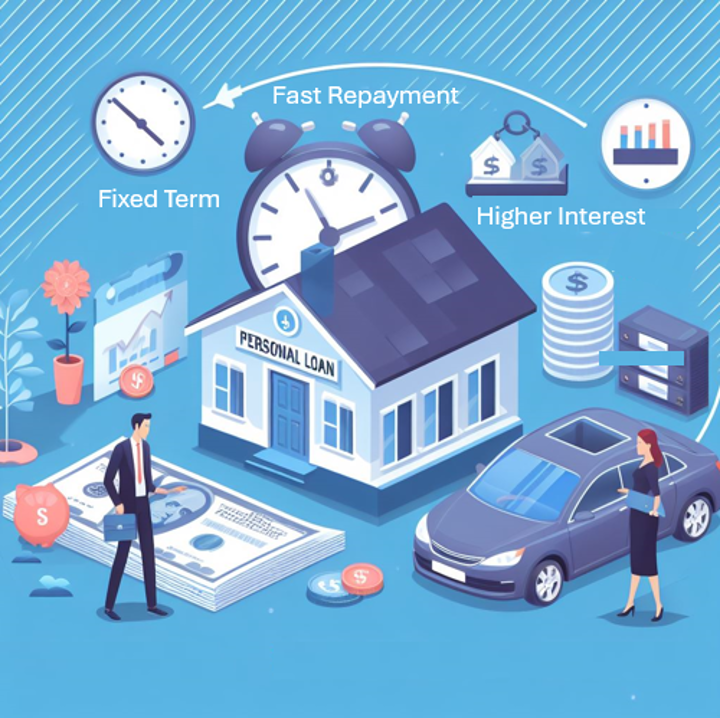
An unsecured personal loan is probably the fastest way to get cash. Since it’s unsecured, you don’t have to use any assets as collateral, so you aren’t putting your actual house on the line if things go south.
Because there’s no collateral, interest rates are usually higher than a mortgage. You’re basically asking a lender to trust your credit score rather than the value of your property.
If your credit is solid, you might find some decent offers. For instance, Wells Fargo offers unsecured home improvement personal loans with rates starting as low as 6.74%.
The best part is the speed. You aren’t waiting for an appraiser to show up and verify the value of your kitchen. You apply, you get approved, and the money arrives.
The downside is that being “unsecured” is a double-edged sword. You won’t lose your home directly to the lender, but a default will still wreck your credit and lead to collections. It’s a trade-off between speed and risk.
- Speed: Often approved within days.
- Flexibility: Use the cash for anything from a new deck to a broken furnace.
- Collateral: None required, which keeps your house out of the direct line of fire.
- Credit Impact: Requires a decent to excellent score to get the best rates.
Comparing Equity and Personal Loans
Homeowners usually end up debating between a home equity loan and a personal loan. It’s basically “big vs. fast.” A home equity loan uses your house as collateral, which usually means lower interest rates and much higher borrowing limits.
Navy Federal is a good example of an institution that handles this, offering ways to finance projects like renovations or emergency repairs through equity-based options. These work well if you’re doing something massive, like adding a bedroom or a sunroom.
A personal loan is more nimble. If you just need to swap out the HVAC or update some flooring, a massive equity loan might be overkill. You don’t want to tie up your home’s equity for a $10,000 repair if you don’t have to.
Is it worth taking on more debt to increase your home’s value? That’s the question. If the renovation adds more value than the cost of the interest, the math works. If you’re just fixing something that’s already broken, a quick personal loan might be cheaper in the long run.
If you want to look for more localized ways to manage debt or find specific products, texasloanstoday.com can provide some perspective on regional options.
| Feature | Personal Loan | Home Equity Loan |
|---|---|---|
| Collateral | None (Unsecured) | Your Home (Secured) |
| Interest Rates | Generally higher | Generally lower |
| Approval Speed | Very fast | Slower (requires appraisal) |
| Borrowing Limit | Lower (up to $50k+) | Higher (based on equity) |
The Nuances of Loan Terms and Costs
It’s easy to get blinded by a low APR and ignore the fine print. You should look at the total cost of the loan over its whole lifespan. A lower rate with a 7-year term might actually cost you more in total interest than a slightly higher rate with a 3-year term.
Lenders aren’t all the same with their fees, either. Some providers might offer up to $40,000 without an origination fee. That “setup fee” is taken right off the top, so you might realize you’re getting less money than you actually asked for.
Credit matters, too. Lenders look at more than just your score; they look at your debt-to-income ratio. If you already have a high car payment and student loans, they might be hesitant to hand over another $30,000, even if your score is “good.”
Check if the loan is “prepayable.” You don’t want to try to pay off the debt early to save on interest only to get hit with a penalty. I’ve seen people lose hundreds of dollars just trying to be responsible.
The math for a $30,000 loan varies a lot depending on your rate. At a 7% APR for five years, you’re looking at roughly $594 a month. If that feels heavy, you might need to shrink your project scope or look for a longer term, though that increases the total interest you’ll pay.
Deciding Which Path Fits Your Project
Not every renovation needs a major loan. Small cosmetic changes, like painting a room or swapping light fixtures, are better handled with a credit card or a small line of credit. Taking out a structured loan for a $2,000 project is usually more headache than it’s worth.
But for “big ticket” items, a dedicated loan makes sense. If you’re looking at a $50,000 kitchen remodel, you need a strategy. You might look at a personal loan that offers amounts up to $50,000 with an APR as low as 9.24% to keep payments manageable.
Some people use these for emergency repairs. A burst pipe or a failing roof doesn’t care about your savings plan. In those cases, getting the money quickly matters more than finding the absolute lowest interest rate on the market.
I often see homeowners use a personal loan for a renovation to add a bedroom or a bathroom. It’s a strategic move since it’s an investment in the property’s appraisal value. You’re borrowing money to make the house worth more, which is a sound move if the math holds up.
Just avoid “feature creep.” It’s incredibly easy to start a bathroom remodel with a plan for a new tub and end up wanting heated floors, a steam shower, and Italian marble. Each of those changes the financing you’ll need.
Always get a firm quote from your contractor before you sign the final loan documents. If you borrow $20,000 but the bill ends up being $25,000, you’re stuck in a gap that’s hard to fill.
When comparing lenders, look at the “Total Cost of Credit” instead of just the monthly payment or the introductory APR. That’s the number that tells you how much the bank is actually taking from your pocket over the long haul.